
Decorative concrete in Orem, UT - color that holds up to how you use the slab
Tired of a plain gray slab? We add color at the pour or to the concrete you already have.
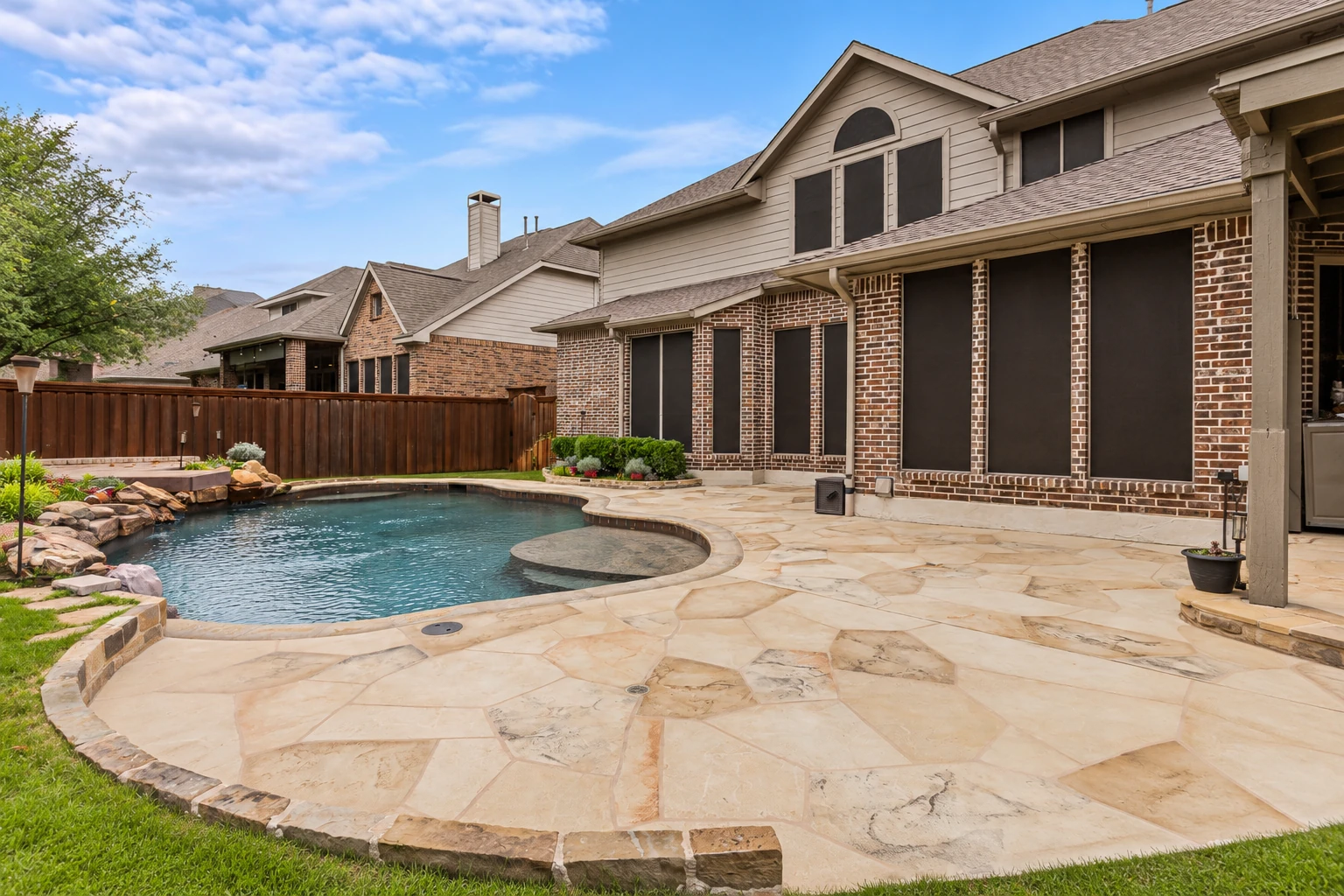
- Licensed and insured.
- Free estimates at your property.
- We reply within 1 business day.
How do you add color to a concrete slab?
Decorative concrete in Orem means adding color to a slab or floor, either mixed into the concrete when it's poured or put on the surface afterward, so a plain gray patio, walk or floor ends up looking like you planned it.
Most people who call about this are looking at a gray slab they don't love, or they're planning a new one and wondering if it can look like more than a sidewalk, and if you want a pattern pressed in too, that's stamped concrete. What moves the price is the method, the size of the slab, how much prep an older surface needs and whether a stain needs sealing. What moves the schedule is whether color goes in with the pour or waits until a new slab has cured, which is the stretch while concrete hardens before it's ready for use, and that means a second visit. I'll give you your own number at the estimate once I've seen the slab, and we check with the city before we put anything on the calendar.
When does decorative concrete make sense?
Still planning a new slab
Color can go right into the mix, so it's settled before the concrete truck shows up.
Sound slab that looks dull
A solid patio or floor can take stain or paint without tearing it out and starting over.
An indoor concrete floor
A basement or shop floor can get real color without covering the concrete with other flooring.
Busy walks and patios
Where kids, bikes and furniture scuff the surface, color through the whole slab keeps looking even.
How we handle decorative concrete
The first thing I want to settle with you is whether the color goes into the concrete at the pour or onto the slab later, because that decides how it wears for years. On a new slab we dig out and pack the base, mix the color in or work a color hardener into the fresh surface, finish it and let it cure. On a slab you already have, we clean and prep the surface, put down the stain, dye or paint and seal it, because stained concrete left unsealed dulls, chalks and wears its color away. If you pick a stain, the sealing goes in the estimate from the start so it isn't a surprise later.
Color often comes up alongside other work. A concrete retaining wall can be colored to match the patio it holds up, and if you're adding a basement or shop floor, concrete floor installation is the time to decide on color before the truck comes.
Color added at the pour
Integral color is mixed through the whole slab, so there's no colored layer to wear off, and a chip or saw cut won't show a pale scar. Dry-shake hardener is worked into the fresh surface for brighter color and a harder top, but its color only sits up there, so you're trading brightness against wear.
Color added to a finished slab
Stain, dye or paint goes on a slab you already have, new or old, which makes it the way to brighten a sound slab without replacing it. Acid stain gives a varied look in ambers, browns, tans, terra cottas and soft blue-greens, and it never repeats exactly, so it suits people who like a natural, uneven finish.
What happens after you call about decorative concrete?
Call or send the form
Tell us the slab's size, whether it's new or already there and whether it's inside or out. We'll set a time for me to come look.
I come out and look
I look at the slab and what's around it and ask how you plan to use the space. The estimate lists the color method, the prep and the sealing if there is any, so you can compare options side by side.
We check and set a date
We check with the city about your job before scheduling. Then we pick a date that suits the weather and your household, and stain work on a new slab gets its own date after the cure.
We finish and walk it
Our crew does the pour or the stain and seal. Before we leave, we walk the finished job with you so you see the color and the joints up close.
Where decorative concrete money goes first
The base first, then the color.
The subgrade, the dirt and gravel the slab sits on, is hidden on day one, so it's the first thing people want to trim when color pushes the budget. I side with the base, because a colored slab that settles cracks just like a gray one, and you've paid extra for the look.
If money's tight, I'd rather simplify the color, one tone instead of two, than skimp underneath. On an old slab you want stained, I look at why it cracked or sank before we start, because stain shows off a sound slab and does nothing for a failing one.
Examples of concrete work
Look through these examples of concrete work, from colored patios to driveways and walks, to get a feel for finishes and textures you might like.
Get a price on coloring your concrete
Tell us the slab's size, whether it's new or existing and whether it's indoors or out. We reply within one business day to set up a free estimate at your property, with no obligation.
Why Orem homeowners call Professional Orem Concrete Construction for decorative concrete
The owner works your job
I work on site with our crew through the pour or the stain and seal. The person who talked color with you is right there when it goes down.
Based in Orem since 2023
I started this business in Orem in 2023 after years pouring footings, foundations and flatwork on new construction. Now we work around homes people already live in, across Orem and the cities around it in Utah County.
A licensed and insured crew
We're licensed and insured, and that's worth checking with anyone you let work on your property. Call (385) 476-8003 or send us the form to set up a visit.
Decorative concrete questions we hear
Can I color my existing concrete patio or floor in Orem?
Yes, stain, dye and paint all go onto a slab that's already there, whether it's new or years old. Most dyes fade in sunlight, so they belong on indoor floors, and outdoor slabs get stain or paint.
How long does new concrete need to cure before staining?
Guidance is to let new concrete cure about 28 days before you stain it. So a stained new slab is two steps, the pour first and the stain and sealer once that cure is done.
What does stamped concrete cost in Utah?
Stamped concrete in Utah usually costs about $13 to $27 per square foot, which is a statewide figure for stamped work, not our price. Stained, dyed or painted floors price differently, so the estimate I give at your property is where you get your own number.
Will decorative concrete crack like my old slab did?
It can, because almost all concrete cracks somewhere, but we work to make it crack where we choose. We cut control joints, shallow grooves that give the slab a straight line to crack along, and we plan pours around midday heat, which can leave a weak, dusty top.
Does a concrete fence in Orem need a building permit?
Yes, the city issues building permits for fences that are masonry or concrete and for fences that include a retaining wall. If your project has one, we take care of that permit as part of the job.
How do I care for new colored concrete in winter?
A Canadian concrete group advises clean sand for traction on new concrete instead of deicing salts such as calcium, magnesium or sodium chloride. It's Canadian guidance, so ask me about your slab when I come out.
Thinking about color for your slab?
Ask for an estimate and I'll come out, look at the slab and price the color method that suits it.
Other work that pairs with color
Decorative concrete in Orem, permits and ground
The City of Orem issues building permits here, and its list names certain fences, not decorative concrete, so that list doesn't settle whether your job needs one. That's why we check with the city that has the say before we schedule, and when a permit is needed we take care of the paperwork and the inspections. If you're doing the work yourself with no general contractor, the city has an Owner-Builder Certification for that, though it isn't allowed on commercial work.
Statewide guidance from Utah's geologists warns that expansive, compressible or collapsible soils can damage pavement after it's built, leading to costly upkeep or gaps people trip on. So I want to see the ground before we pour a colored slab, and we make the same check on jobs in Provo and Lindon.